
“Strong marriages are built by what couples choose to do once they are married and by what parents and siblings on both sides do to help support them”.
James M. Harper & Suzanne Frost Olsen
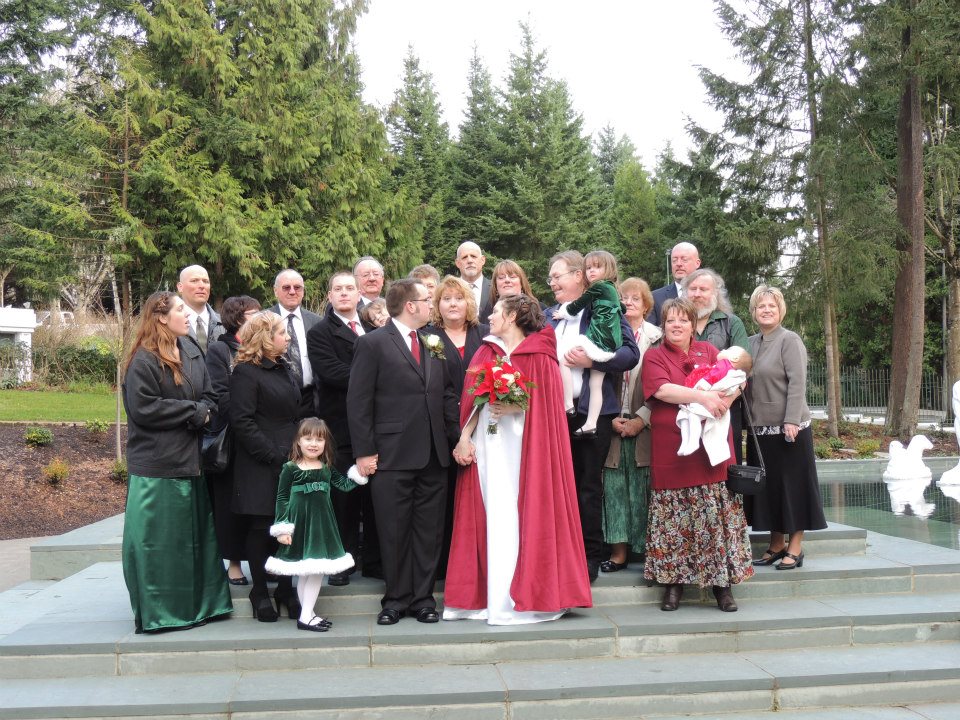
When a couple gets married, they are also becoming part of a larger picture than just the two of them. Every person comes from a family that had their own sets of rules and rituals and when two people bind their lives, they are both bringing these rules and standards into their marriage. In a book titled Till Debt Do Us Part, author Bernard Poduska shares that couples bring with them “family rules” and that they are “maintained and transmitted across generations on three levels: explicit, implicit, intuitive” (2000, p. 26). Explicit rules are verbally communicated rules that a family lives by such as don’ talk with your mouth full. Put your dishes in the sink when finished eating. Tidy up your bed in your morning. Implicit rules are unspoken, repeated rules that happened during childhood (Poduska, 2000, p. 27). For example, knowing which chair belongs to dad. Not being out later than curfew. Understanding when mom reacts a certain way, it means to not bother her about the issues further. Intuitive rules are also unspoken and deal with “the emotional legacy inherited by each person, any need to ‘pay back’ something owed, or to ‘pass on’ something of value” (Poduska, 2000, p. 28). When a couple gets married and doesn’t have an understanding of the family rules that each brought to the table, things can become super rocky in their relationship.
I talk about these different rules because these are what shape us into the people we become and how we work through tough things together. At the same time, when a couple gets married they have this opportunity to create new rules that will become a part of their own individual family identity. Having to work with someone new after living a certain way before marriage can prove to be difficult, and a spouse could find themselves leaning upon their parents more than their spouse. This was the case or me.

My mother and I have a very strong relationship and have turned to each other countless times for comfort and help. When I got married I didn’t see it a problem to turn to my mother and discuss things with her that would frustrate me about my husband or the children. I wanted to talk to someone that understood me and how my perspective was. What I didn’t understand was that it was hindering my relationship with my husband because the things I would complain about built an image to my mom of the person my husband and children were. It was hard to turn to my husband more when I was frustrated and tell him about the things that bothered me instead of always going to my mom. I know that is has been hard on my mother as well, setting these boundaries because, for any mother, they just want what is best for their children and want to be there for them through anything. But it is important that spouses build their relationship with each other and without the influence of the in-laws.
Authors James M. Harper and Suzanne Frost Olsen (2005) in their book titled Helping and Healing Our Families, spoke about the importance of building strong ties with parents-in-law as well as other family members. They shared three crucial points in regard to the relationships in families. They are “first, married children should confide in and counsel with their spouses. Second, if possible, they should establish their own household, separate from their parents. Finally, any counsel from outside sources should be considered prayerfully by both spouses together” (Harper and Olsen, 2005, p. 328). This is to say that when children grow and leave the family nest to marry a spouse, they don’t necessarily leave what they learned behind, nor the family they grew with, they are taking that and building their own individual life with those they have made covenants with. Sometimes this notion is more difficult on the parents than it is on the children. Parents desire happiness for their kids and having to let someone else with different perspectives and family rules influence their children can be scary. However, Harper and Olsen (2005) state that “parents who can work toward inclusion of a new son- or daughter-in-law and who show increased love and support have the best relationships with their married children and more influence in the lives of their grandchildren” (p. 330).
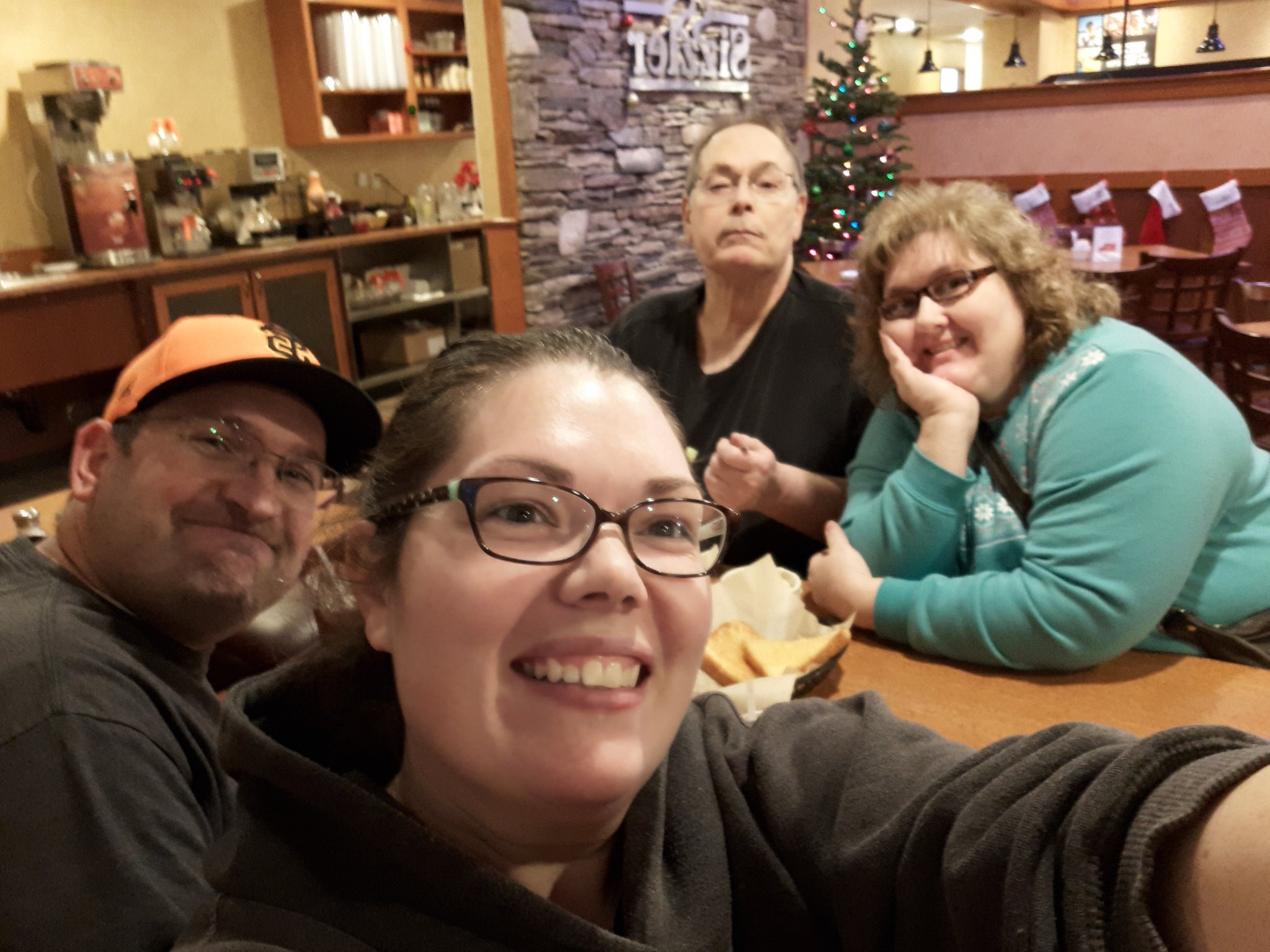
I have been blessed with parents who, although it was hard to let me go, has welcomed my husband into the family, even from the first time they met him. I am blessed that my husband’s side has also welcomed me with open arms and have shown compassion in our union. There have been times when my husband and I have both had to understand the family rules and to learn to respect the ones that we knew were of great importance. At the same time, we have had to stand together in defense of the family rules the both of us have created for our own family, and thankfully, extended members have been opened and understanding. Our marriage has been strengthened because we have each other to rely on, but it helps to know that we have married into families that are supportive and caring. Having extended family members that are supportive and loving can truly help in strengthening a couple’s relationship. Having support from the extended family is great, but it also takes an effort on the children-in-law too. Get to know your extended family and have an open perspective of the family rules your spouse may have grown up with. Doing this will not only give you knowledge of your spouse, but it will help you see your in-laws in a different light as well. I know from my own experience in getting to know my husband’s extended family, I have gained more insight to who they are and I then am able to broaden my charity and compassion on them if things become an issue.

References
Harper, J. M. (2005). Creating healthy ties with in-laws and extended families. In Helping and healing our families (pp. 327-334). Deseret Book Company.
Poduska, B. E. (2000). What we bring with us. In B. E. Poduska, Till debt do us part (pp. 25-50). Salt Lake City: Shadow Mountain.
 YoursplusOurs4Eternity